%2Ffit-in%2F250x250%2Fguide_websites%2F19715%2Fimages%2F1737225068655image-2025-01-19t022922.1473.png&w=1920&q=100)
Atlantic Sharpnose Shark Catch in San Juan Puerto Rico
Atlantic Sharpnose Shark Fishing - What to Expect
%2F%2Fusers%2F288da6db-8e1c-49e4-b79f-5bd937334c5a%2Fimages%2Fatlantic-sharpnose-shark-san-juan-2390.jpg&w=1920&q=75)
Fishing Charter by Captain Jorge Del Manzano in June
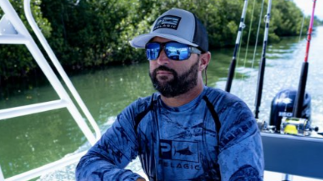
Meet your Captain Jorge Del Manzano
- Reel Bless: Cast, Catch, Celebrate in Puerto Rico!


Summary
Our fishing charter in San Juan on Monday, June delivered an unforgettable encounter with Atlantic sharpnose sharks. This Fajardo-based expedition showcased the rich marine life Puerto Rico's waters are known for, giving us a genuine taste of what serious shark fishing feels like on the Atlantic.
Fishing with Captain Jorge Del Manzano - Rates & Booking
Captain Jorge Del Manzano of Reel Bless Fishing Charter on Monday, June made our shark fishing expedition memorable from start to finish. Operating out of Fajardo, Puerto Rico, Jorge brings years of local expertise to every charter. When you book with Reel Bless, you're getting a licensed guide who knows exactly where and when these species are most active.
The crew was professional and focused, handling every detail from tackle preparation to fish handling with real skill. If you're serious about catching sharks off the Puerto Rico coast, this is the level of operation you want.
Highlights of the Shark Fishing Experience
This charter delivered solid action on the water. We landed an Atlantic sharpnose shark, which made for an incredible moment when we brought it alongside the boat. The catch gave us a close look at one of Puerto Rico's most common shark species in these offshore waters.
What stood out was how engaged Captain Jorge stayed throughout the day, adjusting our approach based on what was happening on the water. We felt the competence and the willingness to problem-solve when conditions shifted. That's what separates a good charter from a forgettable one.
Local Species Insights: Atlantic Sharpnose Sharks
The Atlantic sharpnose shark is one of the most abundant sharks found in Puerto Rico's offshore and nearshore waters. These sharks are relatively small, typically ranging from 3 to 4 feet in length, making them exciting to fight but manageable to handle. They're aggressive hunters with a pointed snout that gives them their distinctive name.
What makes targeting sharpnose sharks worthwhile is their behavior. They're opportunistic feeders that respond well to chumming and live bait, which means you get action throughout the day rather than waiting for rare strikes. They're also fairly common in the waters around Fajardo, so you have solid odds of connecting with multiple fish during a half or full day trip.
These sharks live in relatively shallow water compared to other shark species, typically staying in depths between 30 and 150 feet. This makes them perfect for sport fishing from a charter boat, and it means you'll be fishing closer to the reef systems and structures that hold baitfish. The fight is genuine enough to feel rewarding without requiring extreme offshore capabilities.
If you're new to shark fishing, the Atlantic sharpnose is an ideal entry point. They're strong enough to test your skills and provide a real battle, but they're also forgiving enough that you can land them with standard light to medium tackle. Experienced anglers appreciate them for exactly those reasons - reliable action without the equipment demands of larger species.
Plan Your Shark Fishing Day
A typical shark fishing charter in this area runs as a half-day or full-day experience. You'll head out early to hit the best tidal windows and get positioned on productive grounds. The crew handles all the technical setup, so your job is to be ready to cast, crank, and fight when something takes your bait.
Bring sunscreen, a hat, and expect to be on the water in direct sun for hours. The boat is equipped for fishing, but comfort depends on the sea state. Puerto Rico's waters can be smooth or choppy depending on the day and season. Expect the captain to work specific areas based on recent reports and what they're seeing in real time.
Fishing in Fajardo, Puerto Rico: Atlantic Sharpnose Shark

The Atlantic Sharpnose Shark (Rhizoprionodon terraenovae) is a small but spirited member of the Carcharhinidae family within the order Carcharhiniformes. Known for its distinctively long, pointed snout—hence the name—this tiny shark typically measures between 39 and 48 inches and weighs just 7 to 9 pounds, making it one of the smallest shark species you're likely to encounter. With its brownish to olive-gray body, contrasting white underside, and signature white dots along its sides paired with black-tipped dorsal and caudal fins, the Atlantic Sharpnose Shark is instantly recognizable once you know what to look for. What makes this species particularly special is how abundant it remains along the coasts of Florida, South Carolina, and the Gulf of Mexico, where summer beachgoers and anglers frequently cross paths with these feisty little predators—and despite their fearsome reputation, they're genuinely more curious than dangerous.
Atlantic Sharpnose Shark Overview
The Atlantic Sharpnose Shark is probably the most encountered shark species along America's Atlantic coast, especially during warmer months. These small but aggressive hunters are beloved by recreational anglers because they're easy to catch, readily available year-round, and put up a surprisingly strong fight despite their diminutive size. Unlike their larger, more intimidating cousins, this shark poses minimal threat to humans—their small mouths and lightweight frames mean their bites, while sharp, rarely cause serious injury. For many fishing enthusiasts, landing a sharpnose is a rite of passage; for commercial operators and aquarium keepers, they represent a sustainable resource that remains wonderfully abundant despite consistent fishing pressure. Whether you're an experienced angler chasing gamefish or simply curious about the sharks cruising in shallow Atlantic waters, understanding this species enhances your appreciation for coastal marine life.
Atlantic Sharpnose Shark Habitat and Distribution
The Atlantic Sharpnose Shark ranges throughout the western Atlantic, from as far north as New Brunswick, Canada, all the way south to the waters of southern Brazil. Within the United States, however, they're most abundant in warm-temperate to tropical environments along the coasts of South Carolina, Florida Keys, and the Gulf of Mexico. These sharks are true coastal dwellers, preferring shallow waters where they patrol surf zones, sandy bays, and even brackish estuaries where freshwater meets salt. Unlike some shark species that venture into the deep, sharpnose sharks remain remarkably faithful to their nearshore habitat throughout most of the year—which is precisely why they're so accessible to anglers and so commonly sighted near populated beaches. Females are the exception: during gestation, they migrate offshore to deeper waters for protection, then return ten to eleven months later to shallow nurseries where they give birth, creating a fascinating seasonal rhythm along the coast.
Atlantic Sharpnose Shark Size and Weight
The typical Atlantic Sharpnose Shark measures between 39 and 48 inches in length and weighs between 7 and 9 pounds—small enough to fit comfortably in a cooler, yet substantial enough to deliver genuine excitement on light tackle. The maximum recorded size hovers just under four feet, with the largest specimens occasionally topping nine pounds. Interestingly, females grow slightly larger than males, an unusual reversal from many fish species. This diminutive stature is actually a major draw for anglers: smaller means more aggressive, faster to boat, easier to handle, and perfect for introducing newcomers to shark fishing without overwhelming gear or intimidating experiences. The modest size also means these sharks metabolize rapidly and feed frequently, making them reliably catchable throughout the day and across all seasons.
Atlantic Sharpnose Shark Diet and Behavior
Despite their small size, Atlantic Sharpnose Sharks are apex predators within their ecological niche, feeding voraciously on small fishes like jacks, wrasses, and silversides, as well as marine invertebrates including shrimp, crabs, worms, and mollusks. These sharks are opportunistic hunters that swim at average speeds around five miles per hour but accelerate significantly when prey is detected. What anglers love most about this species is their aggressive, indiscriminate feeding behavior: they'll attack nearly any bait—live or dead—presented in their territory, making them one of the easiest sharks to hook. However, this eagerness can frustrate anglers targeting other species; sharpnose sharks frequently snatch hooked fish meant for other gamefish, earning them a reputation as persistent nuisances among some fishing communities. Aside from humans and commercial fishing pressure, larger shark species are their primary predators, keeping populations in check through natural predation.
Atlantic Sharpnose Shark Spawning and Seasonal Activity
The Atlantic Sharpnose Shark follows a fascinating reproductive cycle tied closely to seasonal migration patterns. Mating season commences in late spring to early summer, after which females become pregnant and eventually migrate to deeper offshore waters—a behavioral adaptation that protects developing embryos from the hazards of shallow coastal zones. After approximately ten to eleven months of gestation, pregnant females return to shallow waters, bays, and estuaries during late winter and early spring to give birth to live pups, typically delivering an average litter of four young sharks. This viviparous reproduction strategy (live birth rather than eggs) is shared across the Carcharhinidae family and represents an evolutionary advantage in colder waters and unpredictable coastal environments. The predictability of this migration cycle means anglers can anticipate peak fishing periods: spring returns correlate with excellent catches as females move toward nursery grounds, and summer through fall offers consistent action as juveniles and non-breeding adults patrol coastal shallows.
Atlantic Sharpnose Shark Techniques for Observation and Capture
Light-Tackle Casting and Jigging: The most popular method involves lightweight spinning gear with 15- to 20-pound test line and small jigs or spoons. Cast near structure, drop-offs, and deeper channels adjacent to shallow flats. Sharpnose sharks respond eagerly to erratic movements, and the visual strikes are thrilling. This technique works exceptionally well around Florida Keys and throughout the Gulf of Mexico during summer and early fall.
Bait Fishing with Rod and Reel: Use fresh or frozen cut bait—mullet, bonito, or mackerel work excellently—on simple rigs positioned in surf zones, channels, and bay mouths. A standard rig with a 3/0 to 5/0 circle hook and light sinker will allow baits to drift naturally. Fish are responsive throughout the day, but dawn and dusk often produce the most aggressive strikes. No chumming is necessary; their keen sense of smell detects bait from impressive distances.
Wading and Visual Stalking: In shallow clear water—particularly around South Carolina and Florida—wading with sight-casting techniques can be incredibly rewarding. Polarized sunglasses reveal cruising sharks in 2 to 4 feet of water. Cast small lures or live baitfish ahead of detected movement and prepare for explosive strikes. This method combines hunting and fishing in a way that creates unforgettable encounters with these diminutive predators.
Pro Tip for Florida Anglers: Around the Florida Keys and Gulf Coast, plan fishing excursions for mid-morning through late afternoon when water temperature peaks and shark activity intensifies. Bring heavy gloves and a landing net—their rough skin and razor-sharp teeth demand respect, and proper equipment ensures safe, successful releases or clean landings.
Atlantic Sharpnose Shark Culinary and Utilization Notes
The Atlantic Sharpnose Shark has earned a respectable reputation in culinary circles, with meat considered tasty and suitable for various preparations. The flesh is lean, firm, and accepts flavoring well—popular preparations include grilling, frying, and even ceviche in coastal communities. However, moderation in consumption is wise; like many shark species, sharpnose sharks can accumulate mercury and other contaminants, so health authorities recommend limiting intake, particularly for pregnant women and young children. Beyond direct consumption, these sharks serve secondary purposes: their bodies are utilized as bait for larger shark species, and they remain popular specimens in both public and private aquariums due to their manageable size and dynamic behavior. The sustainability outlook is positive; despite significant fishing pressure from both recreational and commercial interests, populations remain abundant and stable, making the species a responsible choice for harvest or observation.
Atlantic Sharpnose Shark Frequently Asked Questions
Q: What is the best bait for catching Atlantic Sharpnose Sharks?
A: Cut mullet, bonito, mackerel, and live shiners all produce excellent results. The key is freshness and scent dispersal; these sharks detect chemical signals from impressive distances. Live bait often triggers more aggressive strikes than dead bait, but both remain effective year-round. Match bait size to hook size (typically 3/0 to 5/0 circle hooks) and allow natural drift or slight bottom contact.
Q: Where can I find Atlantic Sharpnose Sharks near South Carolina and Florida?
A: Concentrate efforts in shallow bays, sound systems, estuaries, and coastal drop-offs from 3 to 20 feet deep. Around South Carolina, focus on Charleston Harbor and Beaufort inlet areas. Throughout Florida, the Keys, Gulf Coast, and Atlantic-side inlets all harbor abundant populations. Summer months (June through September) see peak concentrations as fish migrate inshore to warmer, shallower nurseries.
Q: Is the Atlantic Sharpnose Shark good to eat?
A: Yes, the meat is said to be quite tasty and has a mild, slightly sweet flavor. The flesh is lean and firm, lending itself well to grilling, frying, and baking. However, consume in moderation due to potential mercury accumulation. A single fish provides excellent table fare for a small family dinner, and many coastal communities maintain traditional recipes passed through generations.
Q: When is the best time to catch Atlantic Sharpnose Sharks?
A: You can fish for these sharks year-round, but spring through fall offers peak activity and accessibility. Late spring (May–June) and summer (July–August) represent prime season when water temperatures soar and sharks concentrate in shallow, warm waters. Early morning and late afternoon often produce the most aggressive feeding, though mid-day action remains consistent during summer months.
Q: Are Atlantic Sharpnose Sharks dangerous to swimmers and anglers?
A: These sharks pose minimal threat due to their small size and modest bite force. While their teeth are razor-sharp, their diminutive jaws and lightweight frames mean serious injury is extraordinarily rare. Anglers should wear gloves when handling to protect against rough skin and sharp teeth, but the sharks themselves show little interest in confrontation. Swimmers encounter them regularly in Florida and Gulf Coast waters without incident.
Q: How do I identify an Atlantic Sharpnose Shark compared to other small shark species?
A: The most distinctive feature is the long, pointed snout (rostrum) that gives the species its name. Look for the brownish to olive-gray coloring with white underside, characteristic small white spots along the sides, and black-tipped dorsal and caudal fins. Their small size (typically under four feet) differentiates them from most other requiem sharks, and their slender, streamlined build is unmistakable once you develop a practiced eye.