%2Ffit-in%2F250x250%2Fguide_websites%2F19715%2Fimages%2F1737225068655image-2025-01-19t022922.1473.png&w=1920&q=100)
/users/288da6db-8e1c-49e4-b79f-5bd937334c5a/ratecard/screenshot2024-11-19140110.png)
%2F300x300%2Fusers%2F288da6db-8e1c-49e4-b79f-5bd937334c5a%2Fratecard%2Fscreenshot2024-11-19140110.png&w=256&q=75)
%2F300x300%2Fusers%2F288da6db-8e1c-49e4-b79f-5bd937334c5a%2Fimages%2Ffishing-puerto-rico-2921.jpg&w=256&q=75)
%2F300x300%2Fusers%2F288da6db-8e1c-49e4-b79f-5bd937334c5a%2Fimages%2Fangler-catches-big-fish-in-2462.png&w=256&q=75)
%2F300x300%2Fusers%2F288da6db-8e1c-49e4-b79f-5bd937334c5a%2Fimages%2Fpuerto-rico-coastal-panorama-2349.png&w=256&q=75)
%2F300x300%2Fusers%2F288da6db-8e1c-49e4-b79f-5bd937334c5a%2Fimages%2Fgreat-fishing-san-juan-2362.png&w=256&q=75)
%2F300x300%2Fusers%2F288da6db-8e1c-49e4-b79f-5bd937334c5a%2Fimages%2Fangler-san-juan-fishing-2444.png&w=256&q=75)
%2F300x300%2Fusers%2F288da6db-8e1c-49e4-b79f-5bd937334c5a%2Fimages%2Ffishing-puerto-rico-2288.png&w=256&q=75)
%2F300x300%2Fusers%2F288da6db-8e1c-49e4-b79f-5bd937334c5a%2Fimages%2Fafrican-pompano-san-juan-fishing-2440.png&w=256&q=75)
%2F300x300%2Fusers%2F288da6db-8e1c-49e4-b79f-5bd937334c5a%2Fimages%2Ffisherman-catch-san-juan-2501.png&w=256&q=75)
%2F300x300%2Fusers%2F288da6db-8e1c-49e4-b79f-5bd937334c5a%2Fimages%2Ffishing-puerto-rico-scenic-2319.png&w=256&q=75)
%2F300x300%2Fusers%2F288da6db-8e1c-49e4-b79f-5bd937334c5a%2Fimages%2Fsuccessful-fishing-trip-pr-2673.png&w=256&q=75)
Best 2HR Morning Inshore Trip in Key West
 Fajardo, Puerto Rico
What you will be catching:
 Atlantic Bonito
 Cero Mackerel
 Crevalle Jack
 Great Barracuda
 Little Tunny
- 2-hour morning fishing trip in Fajardo targeting multiple species
- Accommodates up to 4 guests with experienced captain guidance included
- $350 total cost with free cancellation available up to 3 days prior
Trip Pricing and Availabilities:
Quick Cast: Fajardo's 2-Hour Fishing Bonanza
Hey there, anglers! Ready for a fast-paced fishing adventure right off the coast of Fajardo? This 2-hour trip is perfect for those looking to squeeze in some quality fishing time without dedicating a full day. Whether you're a local looking for a quick morning fix or a visitor wanting to sample Puerto Rico's inshore action, we've got you covered. Grab your sunscreen and let's hit the water!
Trip Overview
We'll kick things off bright and early at 7:30 AM, making the most of those prime morning hours when the fish are hungry and active. This trip is ideal for small groups – bring up to 4 of your buddies, family members, or fellow fishing enthusiasts. At just $350 for the whole boat, it's a steal for a private charter experience. Plus, with free cancellation up to 3 days before, you've got nothing to lose by locking in your date now. We'll be targeting a mix of tasty and sporty fish, from snapper and grouper to the high-flying barracuda. It's all about variety and non-stop action on this quick trip!
Rigging Up for Reef Action
On this trip, we'll be focusing on two main techniques: shallow water deep dropping and traditional inshore fishing. For the deep dropping, we'll use specialized rigs with multiple hooks to target those bottom-dwelling snappers and groupers. It's a bit like fishing in an underwater apartment complex – you never know which floor your next catch will come from! For the inshore fishing, we'll use a mix of live bait and artificial lures, adjusting our tactics based on what's biting. Expect to do some light jigging, casting around structure, and maybe even some sight fishing if conditions allow. Don't worry if you're new to these methods – I'll walk you through everything you need to know to start hooking up.
What to Expect on the Water
Once we leave the dock, we'll make a quick run to some of my favorite fishing spots. These areas are close to shore, so we spend more time fishing and less time traveling. The waters around Fajardo are known for their clarity, so on calm days, you might even spot fish before they bite! We'll start by trying a few different spots and techniques to see what's working best that day. Some days it's all about the bottom fishing, other days the predators are on the hunt near the surface. Either way, we'll adapt to make sure you're in on the action. And remember, in just two hours, things move fast – so be ready to cast as soon as I give the word!
Species You'll Want to Hook
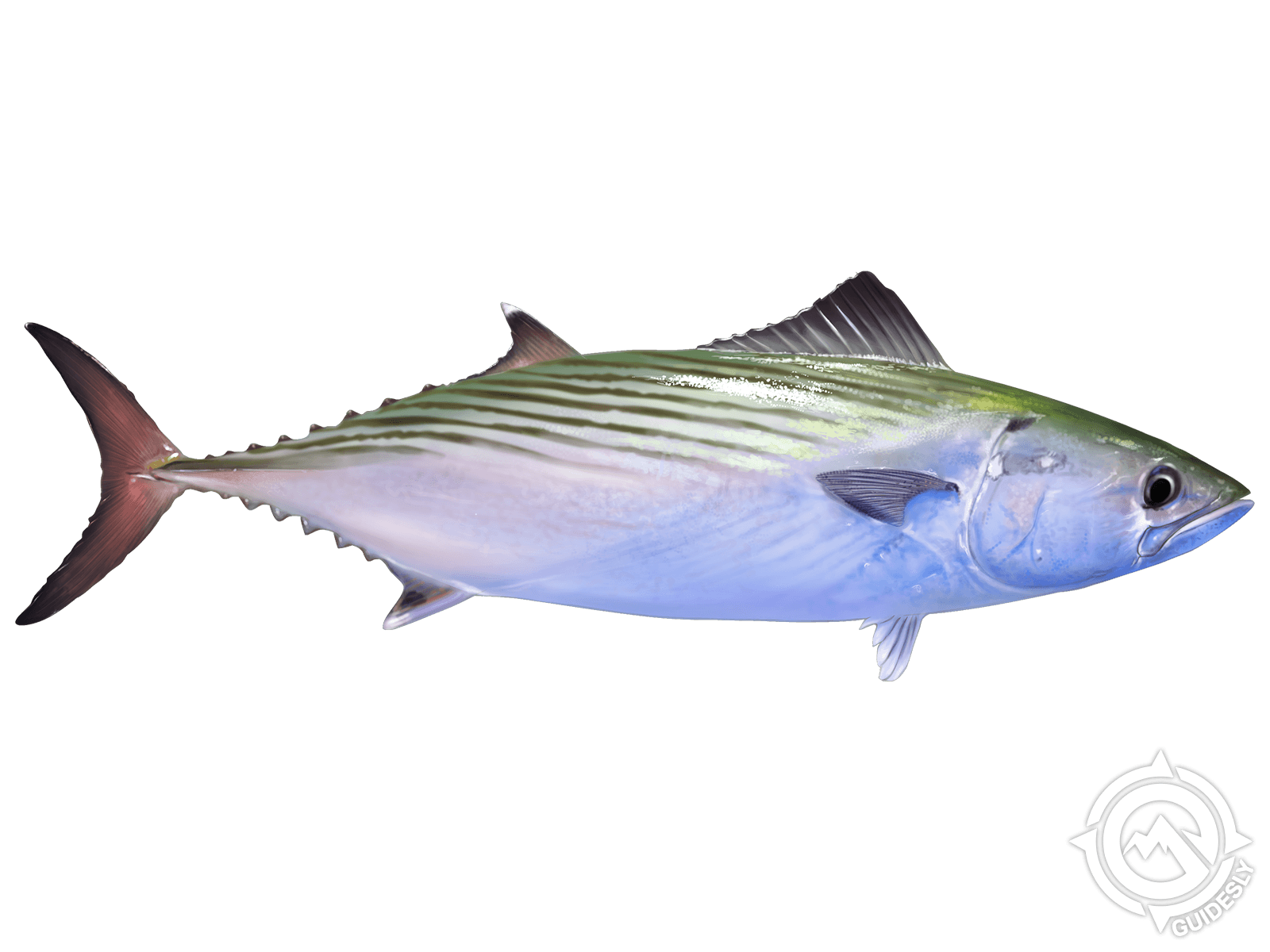
Atlantic Bonito: These speedsters are like mini tunas, and they fight well above their weight class. They typically show up in schools, so when we find them, it's often non-stop action. Bonito love to chase fast-moving lures, so be ready for some quick retrieves and explosive strikes. They're most common in the cooler months, making them a great target for winter visitors.
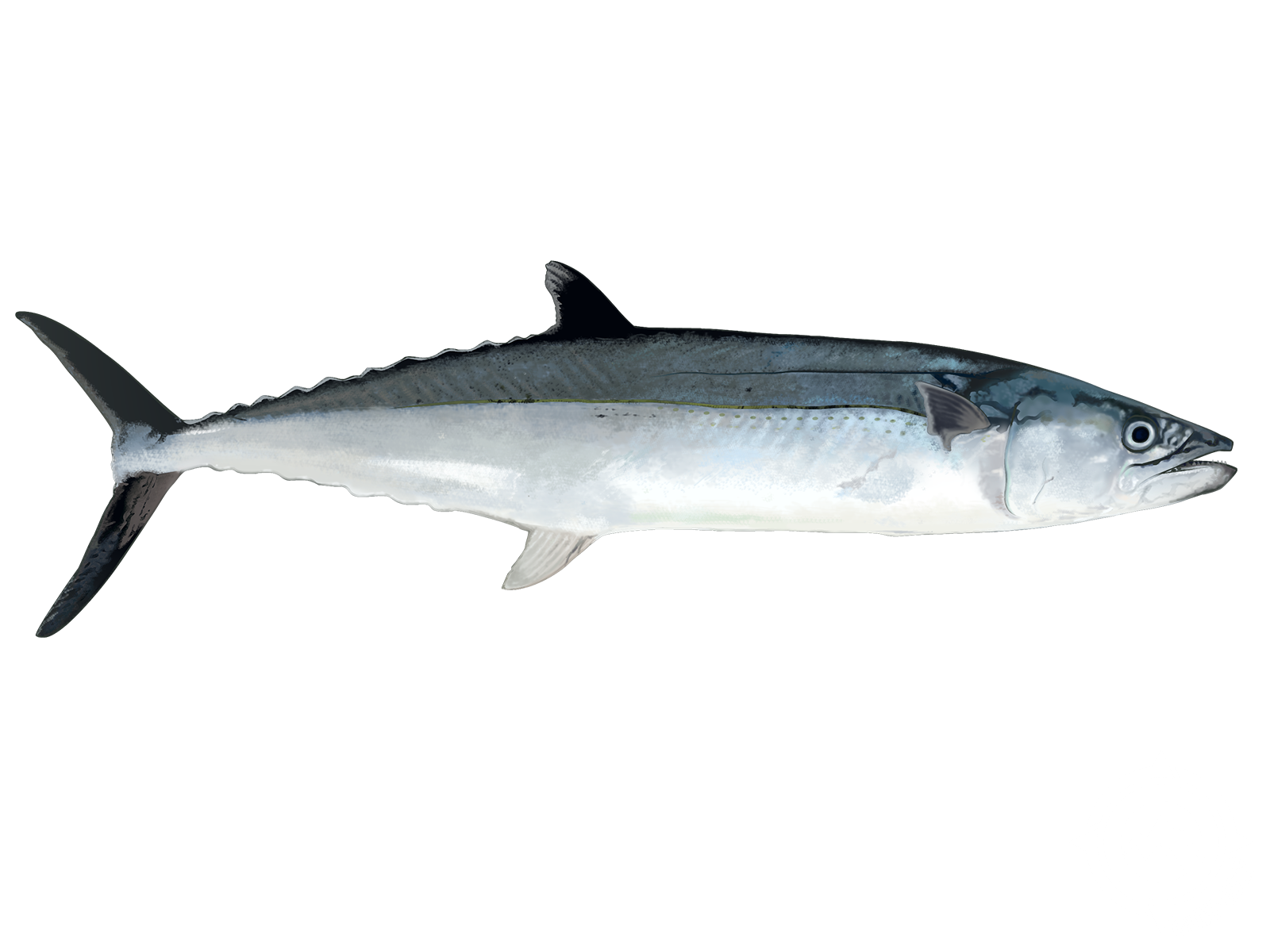
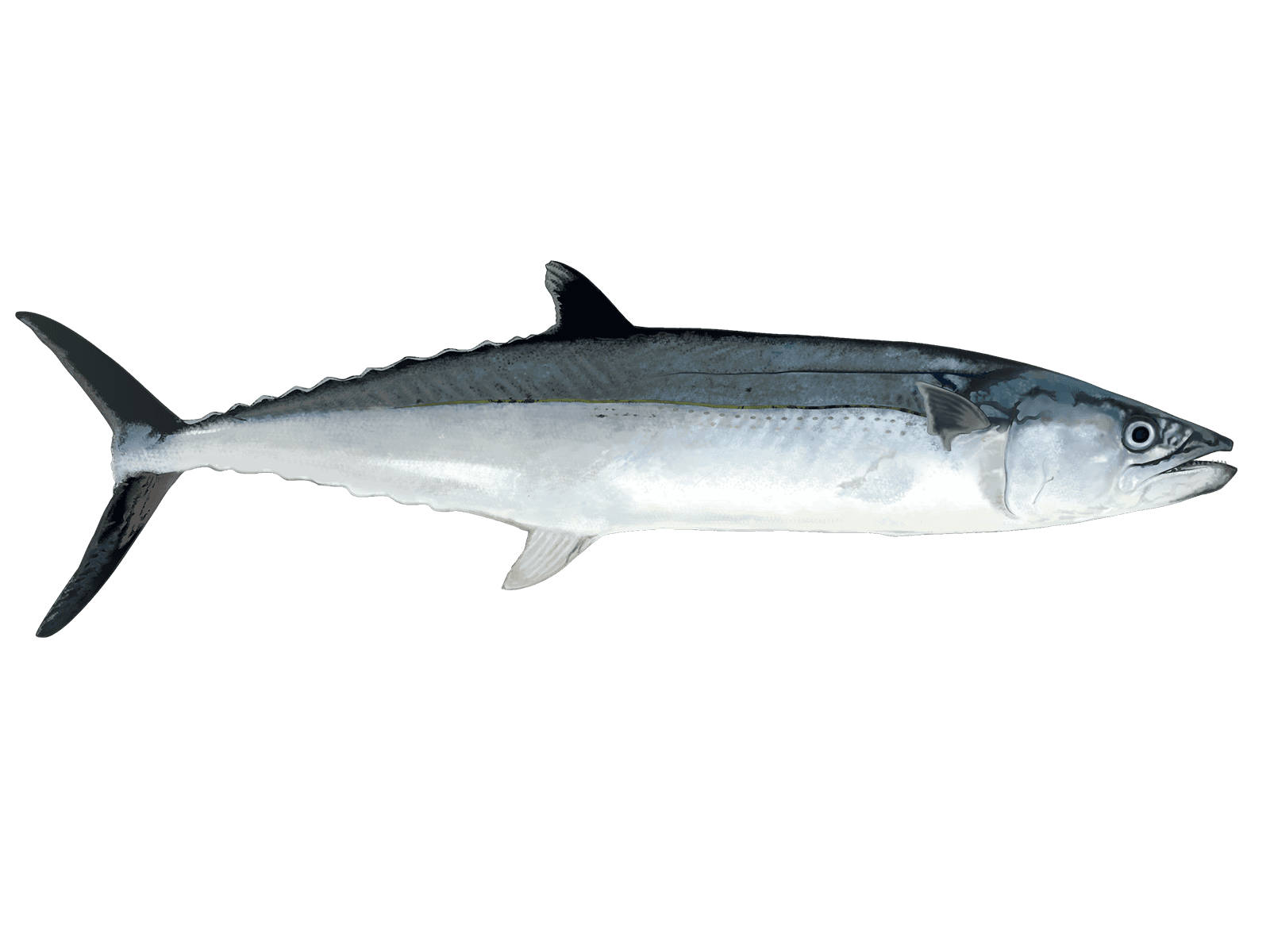
Cero Mackerel: Often overlooked by anglers chasing bigger game, cero mackerel are a blast on light tackle. They're lightning-fast and will test your drag system with long, screaming runs. We usually find them around reefs and drop-offs, where they hunt for smaller baitfish. Ceros are around most of the year but tend to be more abundant in the warmer months.
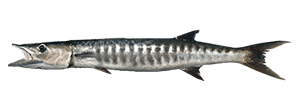
Great Barracuda: The toothy terrors of the reef, barracuda are ambush predators that'll get your heart racing. They're known for their aggressive strikes and acrobatic jumps once hooked. We often spot them lurking around structure or chasing bait near the surface. While they're present year-round, the bigger specimens tend to show up in the late spring and summer.
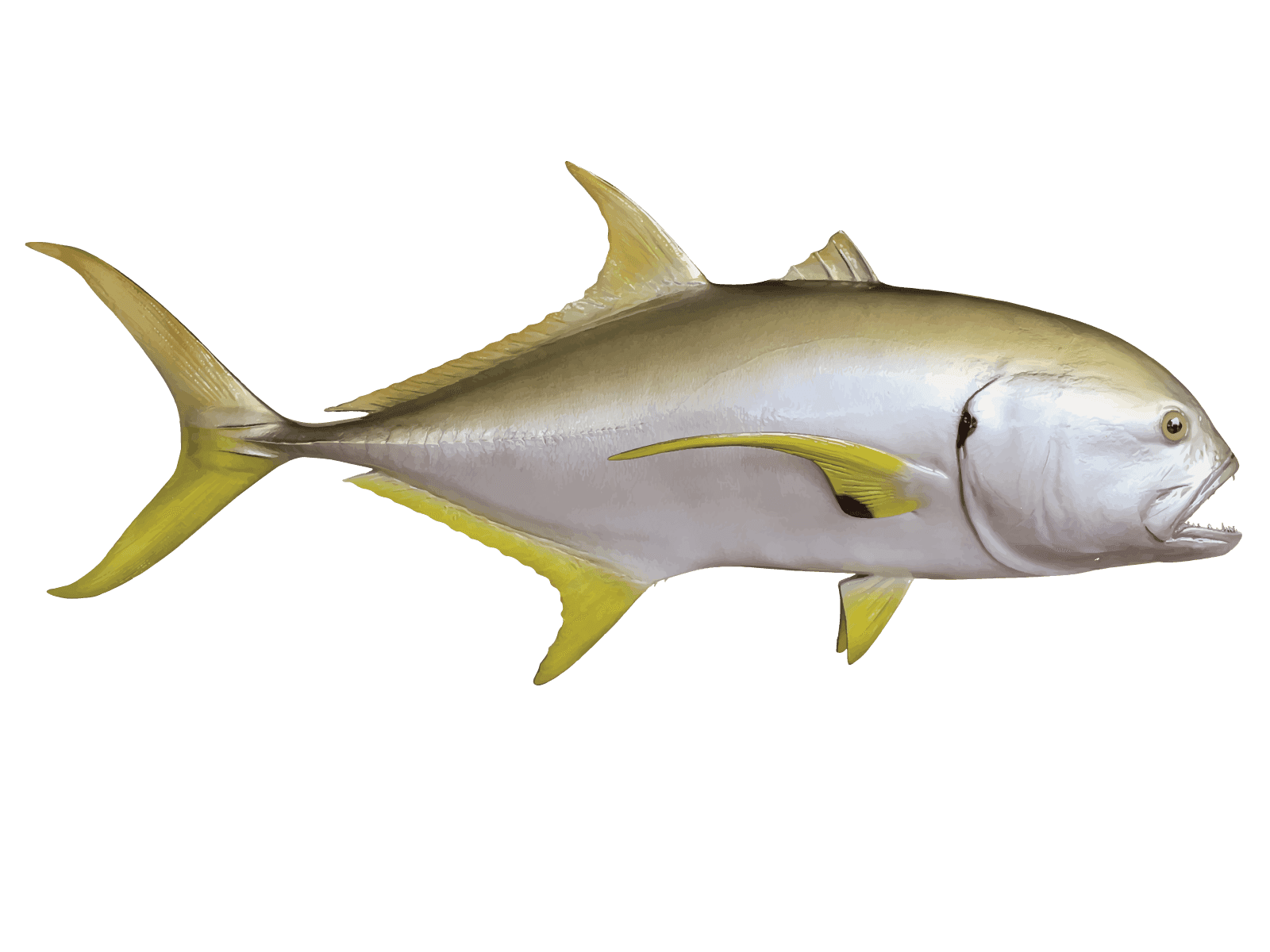
Crevalle Jack: If you want a true test of strength, hook into a crevalle jack. These bruisers pull like freight trains and never seem to quit. We find them both on the reefs and in open water, often busting up schools of bait on the surface. Jacks are most active in the warmer months, but you can catch them year-round in Puerto Rico.
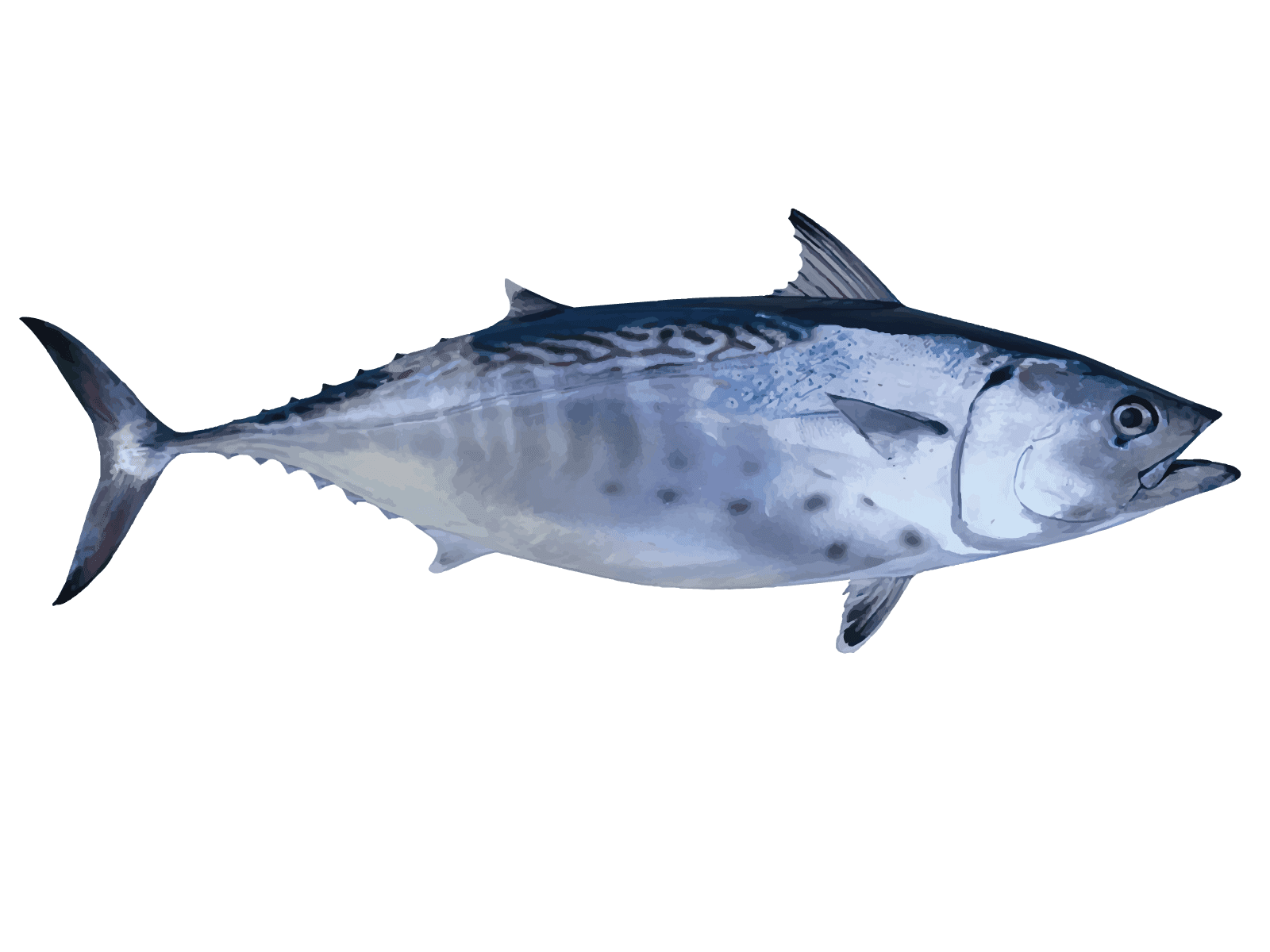
Little Tunny: Also known as false albacore, these pocket rockets are prized for their blistering runs and delicate bite. They often travel in schools, so when we find them, it's usually fast and furious action. Little tunny prefer cooler water, so we see more of them in the winter and early spring months. They're a favorite among light tackle enthusiasts for their speed and stamina.
Why Anglers Keep Coming Back
Folks love this trip because it packs a ton of fishing into a short timeframe. It's perfect for those mornings when you want to wet a line but still have the rest of the day free for other activities. The variety of species we target means you never know what you'll catch next – could be a tasty snapper for dinner or a high-flying barracuda that'll leave you with an epic fish story. And let's be honest, there's something special about being out on the water as the sun climbs over the horizon, watching Puerto Rico's coastline come to life. It's a great way to start any day in paradise.
Time to Book Your Spot
Alright, anglers, let's get you on the calendar! This 2-hour trip is a customer favorite and tends to book up fast, especially during peak season. Remember, you're getting a private charter experience at a fraction of the cost of a full-day trip. It's the perfect way to test the waters (pun intended) if you're new to fishing or just want to see what Fajardo has to offer. And with the free cancellation policy, there's no reason not to lock in your preferred date now. So grab your fishing buddies, set that alarm clock, and get ready for a morning of rod-bending action. Trust me, there's no better way to kick off your day in Puerto Rico than with some hard-fighting fish and stunning coastal views. See you on the water!
Learn more about the animals
Atlantic Bonito
Atlantic Bonito are fast, powerful fish that'll give you a real workout. These streamlined speedsters usually run 5-10 pounds but can hit 30 inches. Look for them in coastal waters, often near the surface chasing bait schools. They're most active in warmer months when water temps are in the 60s. Anglers love targeting bonito for their blistering runs and acrobatic fights. While not prized for eating, they make excellent live bait for bigger game. To hook one, keep an eye out for birds working the water - that's a dead giveaway bonito are feeding. Troll fast with small, flashy lures or cast metal jigs into feeding frenzies. Just be ready to hold on tight when one hits - these fish can really scream line!
Cero Mackerel
Cero mackerel are sleek, torpedo-shaped predators that'll test your skills. Typically 5-10 pounds, they're known for blistering runs and aerial acrobatics when hooked. You'll find them year-round in clear coastal waters, often near coral reefs and shipwrecks. They're not schooling fish, so look for solitary hunters or small groups. Ceros are prized for both sport and table fare - their flesh is excellent for sashimi or ceviche. Best fishing is usually April to October when they're spawning offshore. To land one, try chumming with cut bait over patch reefs, then cast topwater lures or live bait. Just watch out for those razor-sharp teeth when unhooking! A 20-pound braid on a spinning reel should do the trick, but use a light leader - these fish have keen eyesight.
Crevalle Jack
Crevalle jacks are the bulldogs of the flats - stocky, powerful, and always up for a fight. These golden bruisers typically run 12-24 inches and 3-5 pounds, but can hit 60 pounds in deep water. Look for them in seagrass beds, sandy bays, and around reefs. They're here year-round but most active in warmer months. Jacks are prized for their strength and stamina on light tackle. To find them, watch for birds working bait schools. Cast silver spoons or topwater plugs into the fray and hang on tight. For a real thrill, try sight-casting to cruising schools on the flats. Just remember, these guys don't give up easy - even small ones will test your gear. Oh, and here's a weird tip: if you smell watermelon, there's probably jacks feeding nearby. No joke!
Great Barracuda
Great barracuda are the apex predators of our nearshore waters. These toothy missiles can reach 5-6 feet long and hit speeds of 35 mph in short bursts. You'll find them lurking around coral reefs, seagrasses, and mangroves, usually near the surface. They're here year-round but most active in warmer months. Anglers love 'cudas for their explosive strikes and powerful fights. While not great eating, they're a blast to catch. Look for them around structure or chasing bait schools. To hook one, try fast-moving lures like tube jigs or topwater plugs. Just be careful when landing them - those razor-sharp teeth are no joke! Use a landing net and gloves, and watch out for their last-ditch jumps boatside. It's all part of the thrill when tangling with these ocean speedsters.
Little Tunny
Little tunny, also called false albacore, are speed demons that'll make your reel sing. These compact tuna typically run 10-12 pounds but can push 20. Look for them in warm nearshore waters, often around points, inlets, and sandbars. They travel in schools, so where there's one, there's usually more. Fall is prime time as they migrate south. Anglers love 'em for their blistering runs and stubborn fights on light tackle. To hook up, watch for birds working bait schools, then cast small, flashy lures or fly fish with lightweight streamers. Just be ready when they hit - these fish can dump a reel in seconds! While not great table fare, they're a blast to catch and release. Pro tip: let them run on the strike, then settle in for a tug-of-war. Your arms will thank you later!
About the Karlota
%2F%2Fusers%2F288da6db-8e1c-49e4-b79f-5bd937334c5a%2Fvehicle_picture%2Funnamed.jpg&w=1920&q=75)
Vehicle Guest Capacity: 6
Manufacturer Name: Volvo
Maximum Cruising Speed: 30
Number of Engines: 2
Horsepower per Engine: 210
Step aboard our comfy fishing boat for a fun morning on the water in Fajardo! We'll cruise out at 7:30 AM for a quick 2-hour trip that's perfect for both beginners and experienced anglers. Our captain knows all the best spots to catch a variety of colorful fish like yellowtail snapper, grouper, jacks, and barracuda. You can try your hand at reef fishing or give shallow water deep dropping a go - whatever sounds most exciting to you. With room for up to 4 guests, it's a great way to spend some time with family or friends while enjoying Puerto Rico's beautiful coastal waters. Don't worry if plans change - you can cancel up to 3 days before at no cost. For just $350, you'll get expert guidance, all the gear you need, and hopefully a nice catch to brag about later. Book your spot and get ready for a fun morning of fishing!